There are some people whose impact can be measured in awards, accomplishments, or years of service. And then there are people whose impact can be measured in millions of lives changed. Dolly Parton was one of those people.
When Dolly passed away on August 25 at the age of 80, the world paused to remember an extraordinary entertainer, songwriter, philanthropist and humanitarian. Among the many tributes that followed her passing, another part of her remarkable legacy has returned to the spotlight: Dolly Parton’s Imagination Library.
For those of us in Rotary, her story is especially meaningful during Literacy Month because the Imagination Library is about so much more than books. It is a story about identifying a need, finding a simple solution, and building partnerships that allow that solution to reach far beyond its original vision. It is, in many ways, a story about the power of service.
A Simple Idea With an Extraordinary Reach
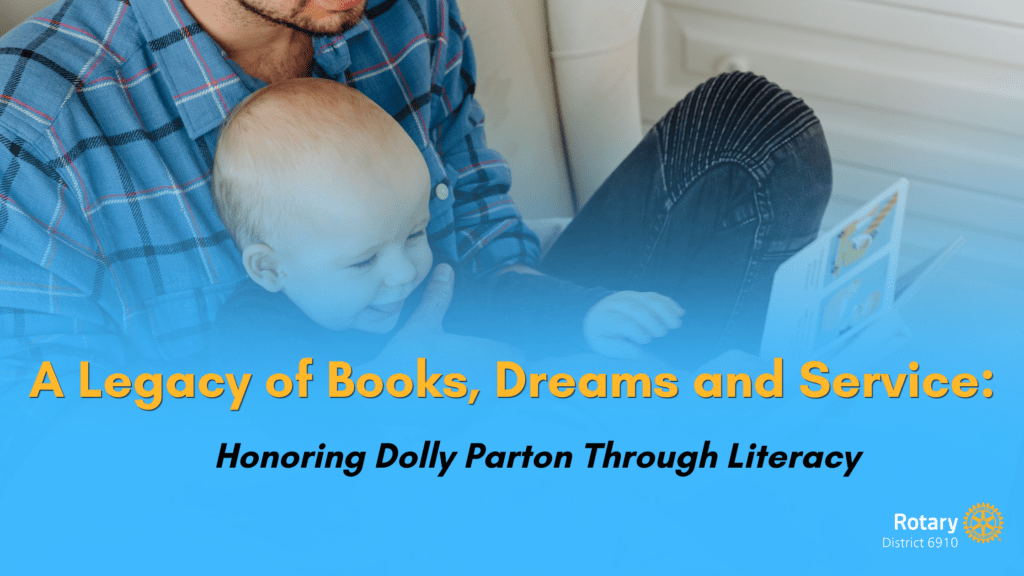
In 1995, Dolly launched the Imagination Library in her home county in East Tennessee. Inspired in part by her father’s inability to read and write, she wanted to make sure children had access to books and the opportunity to develop a lifelong love of reading.
The idea was remarkably simple. Children from birth through age five receive a high-quality, age-appropriate book every month, free of charge and mailed directly to their homes. What began as a local effort has grown into a global literacy movement, with more than 300 million books distributed to children across the United States, Canada, the United Kingdom, Australia and the Republic of Ireland.
But the numbers tell only part of the story. The real impact happens when that book arrives at a child’s home. A child sees their name on the package, opens a new book and discovers a story they may never have encountered otherwise. A parent has another opportunity to sit down and read with their child. A family begins building a culture around reading, curiosity and learning.
That is what makes the Imagination Library so powerful. The book is the tangible gift, but the lasting impact is the relationship it creates between a child, a family and the world of reading.
Following Dolly’s death, her family asked that memorial gifts be directed to the Imagination Library, giving people around the world a tangible way to honor her life by continuing the work she cared so deeply about. There may be no more fitting tribute to Dolly than continuing to put books into the hands of children.
The Need Is Right Here in Georgia
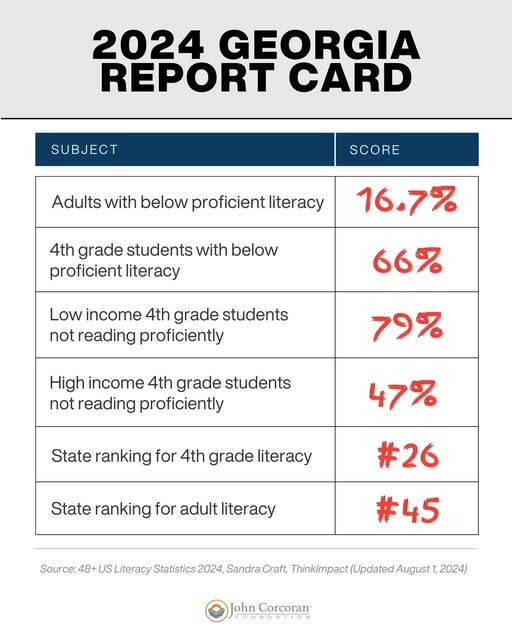
While the Imagination Library has become a global example of literacy service, the need it addresses is very much present in our own communities.
According to Georgia Reads, only 38% of Georgia third graders were reading proficiently in 2024. That means roughly six out of every ten third graders were not reading at a proficient level. The most recent National Assessment of Educational Progress data tell a similar story. In 2024, only 30% of Georgia fourth graders performed at or above the NAEP Proficient level in reading, while 41% performed below the Basic level.
And the challenge does not end when children leave elementary school. Georgia Reads estimates that nearly one million adults in Georgia have low literacy skills. Low literacy can affect educational attainment, employment opportunities, economic mobility, and a person’s ability to navigate many of the everyday tasks most of us take for granted.
Behind each of those statistics is a person. It is a child who may be struggling to understand what they are reading, a parent who wants to help but may not know where to begin, a student who is falling further behind, or an adult whose opportunities are limited because reading is difficult.
As Rotarians, these numbers should cause us to ask an important question: What can we do?
Rotary Doesn’t Have to Reinvent the Wheel
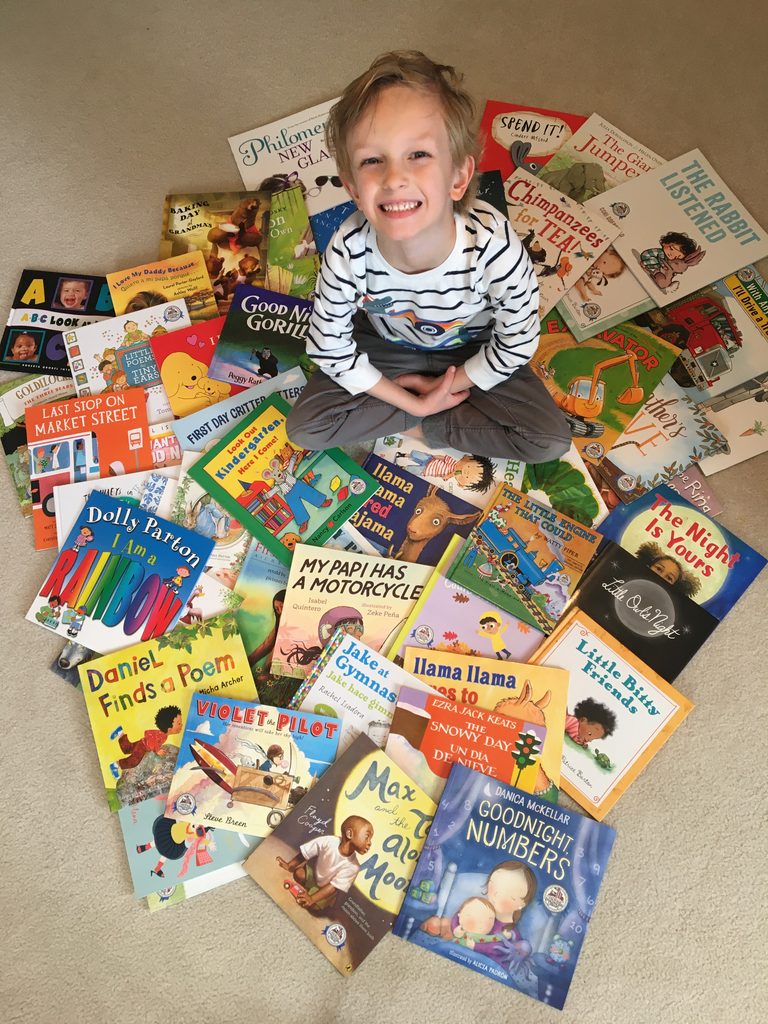
As District Service Chair, one of the things I hope we continue to embrace is the idea that effective service does not always mean creating a new program from the ground up. Sometimes the most meaningful impact comes from finding an organization that is already doing excellent work and asking, “How can Rotary help?”
The Imagination Library is a wonderful example of that approach. Dolly provided the vision and the infrastructure, while local organizations and community partners help bring that vision to children in their own communities. It is a model built on partnership, and partnership is something Rotary does exceptionally well.
Our clubs have relationships with schools, libraries, nonprofits, businesses, healthcare organizations, community foundations, and local governments. We have members who know how to raise funds, organize volunteers, communicate a message, and bring people together. Those relationships give Rotary an incredible opportunity to strengthen work that is already happening in our communities.
A club doesn’t necessarily have to create its own literacy program to make a significant difference. It may simply need to find the right partner.
What Could Literacy Service Look Like in Your Community?
For some clubs, that partner may be the Imagination Library. If the program is available in your community, a Rotary club could help fund books, promote enrollment, connect families with the program, or support the local organization responsible for bringing it to children. If it is not yet available, perhaps Rotary could help explore what would be required to bring it to your community.
For other clubs, the best opportunity may look completely different. A partnership with a local library could support early literacy programming, summer reading initiatives, or family reading events. A school may need classroom books, reading mentors, or volunteers. An organization serving children in foster care might benefit from age-appropriate book bags for children entering a new home. A food pantry or family resource center could distribute children’s books alongside the other resources it provides to families.
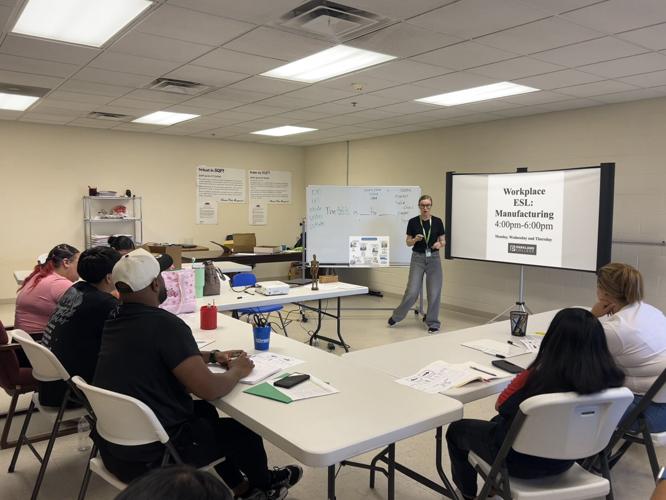
Literacy also extends well beyond childhood. Rotary clubs could explore partnerships with adult education programs, community colleges, workforce development organizations, or nonprofits providing English-language instruction. Helping an adult strengthen literacy skills can have a direct impact on employment, economic opportunity, and independence.
And sometimes the best literacy project is one that is added to something a club is already doing. A food pantry project can include children’s books. A service project supporting families can incorporate literacy activities. A school partnership can include reading support alongside other educational initiatives. Literacy doesn’t always need to become a separate project on the calendar. It can become another layer of impact within the work your club is already doing.
Think Partnership, Not Just Project
This is where Dolly’s example provides an important lesson for Rotary.

A book drive is wonderful, but we can go a step further by asking what is actually creating the literacy challenge in our community.
- Is it a lack of access to books?
- Is it a need for early childhood engagement?
- Are parents looking for resources to support reading at home?
- Do teachers need additional resources or volunteers?
- Are adults struggling with literacy or language skills?
- Is there an existing program that simply needs greater community awareness or additional funding?
Once we understand the need, we can find the right partner and determine where Rotary can make the greatest difference.
That is what meaningful service looks like. It isn’t necessarily about doing the most. It is about doing what matters.
Dolly Parton didn’t personally deliver more than 300 million books. She created an idea and a model that communities could carry forward. Her success demonstrates that a great service idea can become something much larger when people are willing to partner, invest and take ownership in their own communities.
A Legacy Worth Continuing
Dolly’s passing has given the world an opportunity to reflect on the incredible reach of her generosity. But perhaps the best way to honor her is not simply to look back at what she accomplished. It is to ask what we can do to carry that legacy forward.
As Rotarians, we have the opportunity to take that renewed attention on literacy and turn it into action right here in District 6910. We can identify the needs in our communities, connect with organizations already doing the work, and use our collective resources to help them reach more people.
This Literacy Month, I challenge each club to take a fresh look at literacy in your community. Talk with your local schools and libraries. Connect with literacy organizations. Ask community leaders where the greatest needs are. Find out whether the Imagination Library is available in your area. Most importantly, listen before deciding what the solution should be.
Because the most meaningful service often begins not with the question, “What project should we do?” but with the question, “What does our community need, and who can we partner with to make a difference?”
This Literacy Month, let’s honor Dolly not simply by remembering what she gave the world, but by continuing the work she started. Let’s look for the need, build the partnership, and find our own way to help write a brighter next chapter for the children and families we serve.
If literacy is a cause that matters to you, we invite you to help us carry this work forward. The District 6910 Literacy Subcommittee is looking for Rotarians who are passionate about creating meaningful, sustainable literacy impact in their communities and who are willing to share ideas, build partnerships and help clubs find new opportunities to serve. Whether you have years of experience in literacy initiatives or simply believe every child and adult deserves the opportunity to read and learn, there is a place for you on this team. To learn more or get involved with the District Literacy Subcommittee, contact Amanda Groover at service@rotarydistrict6910.org. Together, we can turn our passion for literacy into lasting service across District 6910.